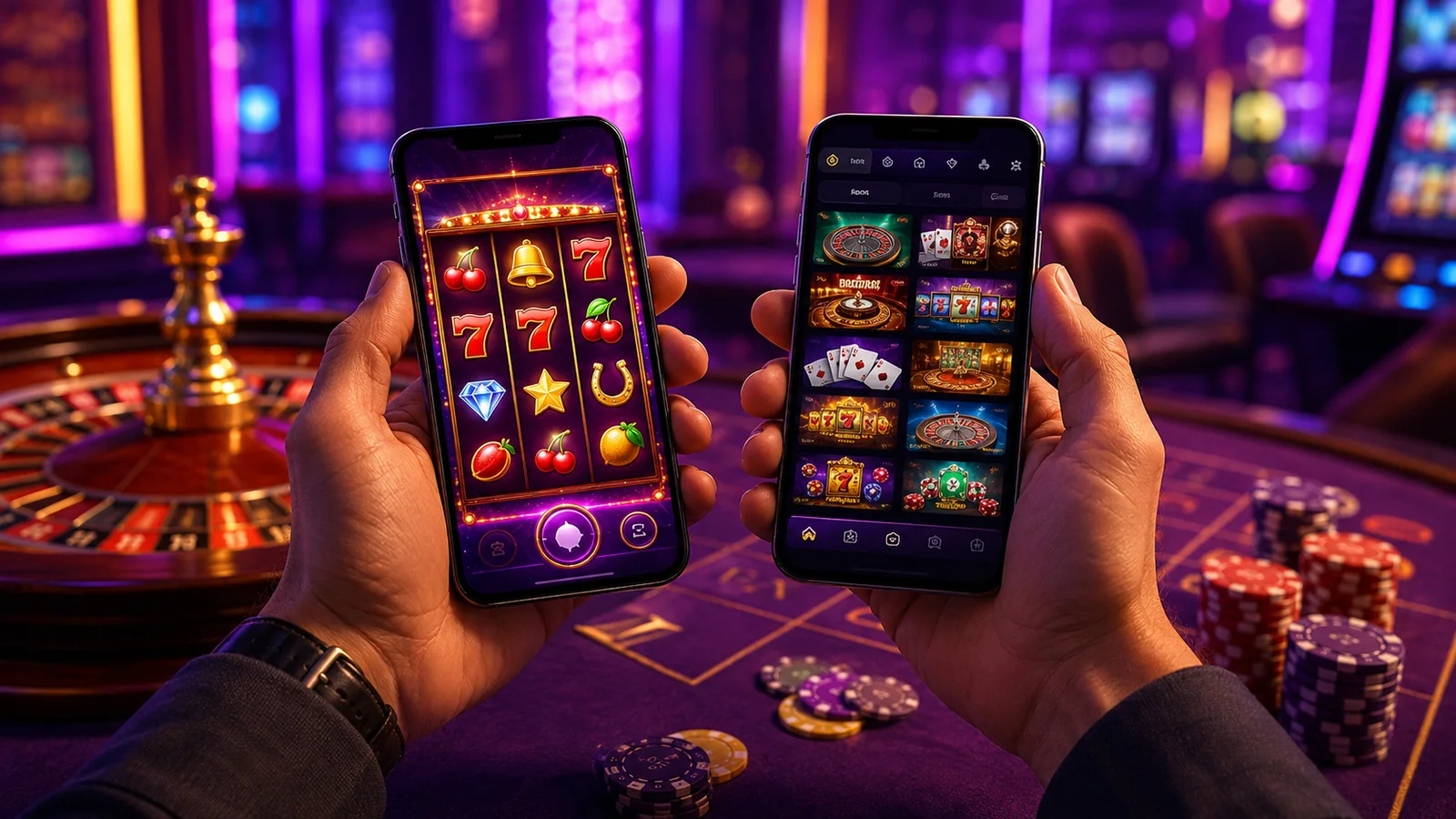
The same symbol appears three times in one lunch break
Aisha plays a short, budgeted session and notices the same result several times. The repetition feels meaningful, but she recognises that a small sequence can look unusual without making the next random result predictable.
Instead of increasing the stake, she opens the game rules, identifies the exact version, checks the operator licence, and looks for a testing statement that can be traced to a named body or regulator requirement. She stops at the timer she set before play.
Separate random selection from a personal forecast
A random number generator is software used to select outcomes according to a game’s designed rules and probability model. In a regulated environment, technical standards, approved testing, change controls, and monitoring may apply. The consumer still needs the exact game version and operator context; a generic fairness badge is not a complete explanation.
Even a properly functioning random game can produce streaks, repeats, and losses within a short session. The useful question is not whether a feature sounds modern or generous. It is whether you can verify how it works, understand the money and data path, and decide before any promotional urgency changes the comparison.
Build the comparison around your real use case
Start with the situation in which you will actually use the service: checking an unfamiliar digital game before risking a fixed entertainment amount. Write down the device, time available, payment method, accessibility needs, and fixed entertainment budget before opening an operator page. Those constraints turn a broad product claim into a comparison you can repeat across several options.
Then verify these topic-specific points: the exact game title and version, rules and paytable, theoretical information, named test body or approval context, operator licence, complaint route, and date of the claim. Save the relevant terms or help-page URL and note the date. A screenshot can document what you saw, but the operator's current terms and the applicable official register remain more important than a marketing summary or an old review.
Do not compare one provider’s headline with another provider’s detailed rules. Put the same fields in the same order, mark missing information as unknown, and stop when a material point cannot be confirmed. Unknown is a decision signal, not an invitation to assume the best.
- Read the game rules before staking.
- Identify the exact version and provider.
- Trace testing claims to a named source.
- Do not infer the next result from a recent sequence.
- Keep the original stop time and stake plan.
Understand what certification does and does not answer
A laboratory statement can address defined technical tests at a point in time, while a regulator may set continuing requirements. Neither statement tells a player that a particular session will win, nor does it remove the need to understand stake size, paytable, volatility, or complaint procedures. Friction is not automatically bad: identity checks, session confirmations, and cooling-off steps can protect accounts and support safer play. The problem is unexplained, inconsistent, or one-sided friction that is easy when depositing but obscure when withdrawing, closing an account, or using a limit.
Consider the complete path, not just the first screen. Ask what happens at registration, first payment, ordinary use, withdrawal, a disputed transaction, a forgotten password, and account closure. If support cannot explain that path in plain language before you pay, choose a lower-commitment option or walk away.
What a useful affiliate recommendation should disclose
An affiliate guide should identify the reader it is helping, state the evidence checked, and name the trade-off. For this decision, that means explaining the exact game and operator checked, the named testing evidence, the date, and the fact that fairness does not guarantee a return. A commission link must not turn an unknown into a positive claim or hide an inconvenient condition below the action button.
Treat unexplained scores, countdown pressure, copied bonus language, and superlatives without a method as weak evidence. Prefer a recommendation that tells you who should skip the option and gives direct links to current terms, licence information, privacy notices, or safer-gambling tools. Commercial availability is never a substitute for legal availability in your location.
Put safer play ahead of convenience
Whatever technology you choose, decide the time and money boundary before registration or deposit. Never interpret a losing run as a debt the game must repay or a winning run as evidence that a pattern will continue. Gambling should remain discretionary entertainment; it is not a way to repair a budget, recover a previous loss, or produce dependable income.
If you start chasing losses, hiding activity, borrowing, cancelling essential spending, losing sleep, or increasing limits during a session, stop. Use a time-out, payment block, blocking software, or self-exclusion where available and contact a recognised support service in your country. Do not use a guide to work around an existing exclusion or account restriction.
Four claims that should not be confused
| Claim | What it may support | What it cannot promise |
|---|---|---|
| RNG used | Outcomes are selected by software under stated rules | A win in your next session |
| Independent testing | Defined technical checks were performed | Permanent compliance or every operator practice |
| Theoretical return | A long-run design characteristic | Your personal return |
| Recent result history | What already happened | What a random next result must be |
Your decision checklist
- Verify the licensed operator and exact domain.
- Open rules and paytable for the exact game.
- Identify the provider and version.
- Trace a testing claim to a named source.
- Set stake, money limit, and time limit first.
- Stop if patterns begin driving decisions.
Warning signs
- The game is described as due to pay.
- A badge has no named issuer or link.
- Rules cannot be opened before play.
- A review turns theoretical return into a personal promise.
Use fairness evidence as a gate, not a prediction
Only consider a game when the operator, rules, version, and testing context can be checked. Then treat every stake as money that can be lost and keep the session plan unchanged by recent outcomes.
Choose the option only when the current terms answer your material questions and the total commitment fits the limit you set in advance. If the evidence is incomplete, keep comparing through the Casino Guides archive instead of depositing to discover the answer.
Read game-selection guides →Frequently asked questions
Can a random game produce repeated outcomes?
Yes. Random sequences can contain repeats and streaks; repetition does not make the next result reliably predictable.
Does a testing badge guarantee a win?
No. Testing can support compliance with defined technical requirements, not a personal outcome.
What should I record?
Keep the exact game and operator name, version if available, rules URL, testing source, and date checked.
Sources
Sources were last checked on September 6, 2026. Rules and availability can change.
- UK Gambling Commission — How we ensure online gambling games are fair — checked 2026-09-06
- UK Gambling Commission — What to look at before you gamble — checked 2026-09-06